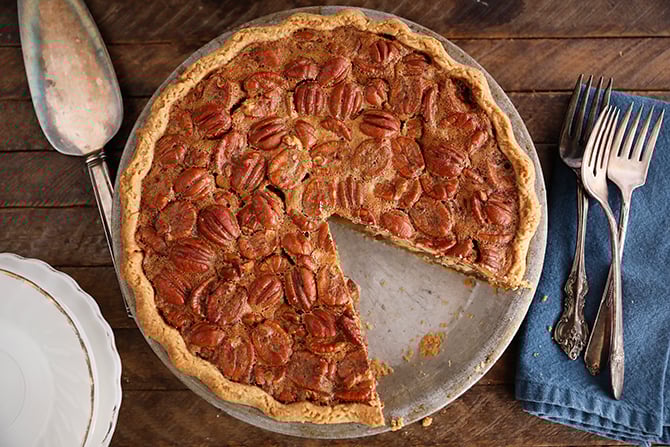
The Enduring Charm of Classic Southern Pecan Pie
There are few desserts that evoke the warmth and hospitality of the American South quite like a classic southern pecan pie. More than just a simple sweet treat, it’s a cherished culinary tradition, a staple at holiday tables, family gatherings, and celebrations throughout the year. Its rich, buttery, and incredibly sweet filling, studded with crunchy pecans, all encased in a tender, flaky crust, creates a symphony of textures and flavors that is utterly irresistible. This iconic dessert isn't merely a dish; it's a testament to heritage, comfort, and the joy of sharing good food with loved ones.
The history of pecan pie is as rich and complex as its flavor. While its exact origins are debated, many culinary historians point to its rise in popularity in the Southern states in the late 19th and early 20th centuries, coinciding with the commercialization of corn syrup. Pecans, native to the region, have long been a significant part of Southern agriculture and cuisine. Today, making a homemade pecan pie is an art form, a rite of passage for many home bakers, and a delicious way to connect with a timeless tradition. This guide will walk you through everything you need to know to create a show-stopping classic southern pecan pie that will impress even the most discerning palates.
Unpacking the Ingredients: What Makes it Truly Southern?
The beauty of a classic southern pecan pie lies in its simplicity and the quality of its core ingredients. While the recipe might seem straightforward, understanding the role of each component is key to achieving that perfect balance of sweetness, nuttiness, and a wonderfully gooey texture.
- The Pecans: Naturally, these are the star of the show. For an authentic Southern taste, opt for fresh, high-quality pecan halves. While some recipes suggest toasting the pecans beforehand for a deeper flavor, many traditionalists prefer them raw, allowing them to toast gently within the pie as it bakes. Freshness is paramount; stale pecans can impart an off-flavor. You'll find that using a generous amount of pecans creates that satisfying crunch and substantial filling that defines a great classic southern pecan pie.
- Corn Syrup: This is the secret to the pie's signature gooey, custardy filling. While both light and dark corn syrup can be used, many prefer dark corn syrup for its richer, molasses-like flavor, which adds depth. Light corn syrup will yield a slightly sweeter, less robust flavor. The corn syrup acts as an emulsifier and thickener, preventing crystallization and contributing to the pie's unique texture.
- Eggs: Eggs are crucial for binding the filling ingredients together and providing structure. They contribute to the pie's creamy consistency and help it set properly during baking. Using large eggs is standard for most recipes.
- Butter: Unsalted butter is preferred, as it allows you to control the salt content. Melted butter adds richness, flavor, and moisture to the filling, contributing to its luxurious mouthfeel.
- Sugar: A combination of granulated sugar and sometimes a touch of brown sugar is typically used. Granulated sugar provides sweetness without overpowering the pecan flavor, while brown sugar adds a subtle caramel note and moisture.
- Vanilla Extract: Pure vanilla extract is a non-negotiable ingredient. It enhances all the other flavors, adding a warm, aromatic depth that elevates the entire pie. A good quality vanilla makes a noticeable difference in the final product.
- Salt: Just a pinch of salt is essential to balance the sweetness and bring out the flavors of the other ingredients.
By selecting these high-quality ingredients, you're laying the foundation for an authentically delicious and memorable classic southern pecan pie.
Mastering the Technique: Tips for a Flawless Pecan Pie
While the ingredients are simple, the technique for baking a perfect classic southern pecan pie requires a keen eye and a bit of patience. Achieving that ideal balance of a set, gooey filling and a golden, flaky crust is what separates a good pie from a truly exceptional one.
The Perfect Pie Crust
A truly great pecan pie starts with a fantastic crust. While a store-bought crust can work in a pinch, a homemade, all-butter or butter-shortening crust elevates the pie to another level. The key is to keep ingredients cold and avoid overworking the dough to ensure flakiness. Many bakers opt for a blind bake (or par-bake) of the crust before adding the filling. This prevents a soggy bottom crust, especially with a moist filling like pecan pie. Line your pie shell with parchment paper, fill with pie weights or dried beans, and bake for about 10-15 minutes until lightly golden. Remove weights and parchment before pouring in the filling.
Mixing the Filling
The filling comes together quickly. In a large bowl, whisk together the eggs, corn syrup, sugars, melted butter, vanilla extract, and salt until well combined and smooth. Avoid over-whipping, as too much air can cause the filling to puff up excessively and then fall. Gently fold in most of the pecans into the mixture, reserving a handful to arrange decoratively on top if desired.
Baking to Perfection
Baking is where the magic happens, but it also presents common challenges. Here’s how to get it right:
- Temperature Control: Most recipes call for an initial higher temperature (e.g., 400°F or 200°C) for the first 10-15 minutes to help set the crust, then reducing it to a lower temperature (e.g., 350°F or 175°C) for the remainder of the baking time. This gradual baking helps prevent the crust from burning while ensuring the filling cooks thoroughly.
- Preventing Over-Browning: Pecan pies often require a long bake. If the crust or the top layer of pecans starts to brown too quickly, loosely tent the pie with aluminum foil.
- Knowing When It’s Done: The classic test for doneness is when the edges of the filling are set and firm, but the very center (about 1-2 inches) still has a slight jiggle, similar to a soft-set custard. Overbaking can lead to a dry, crumbly filling, while underbaking will result in a runny one. A thin knife inserted near the center should come out relatively clean.
- Cooling is Crucial: Once out of the oven, it's essential to let the pie cool completely on a wire rack, usually for at least 2-4 hours, or even overnight. The residual heat will continue to cook the pie, and the filling needs this time to fully set and firm up. Patience here ensures the perfect slice.
For more insights on perfecting the texture and taste, especially when dealing with a sweet classic southern pecan pie - Article 3, explore further techniques that make all the difference.
Serving and Savoring Your Culinary Masterpiece
Once your classic southern pecan pie has cooled to perfection, it’s time for the ultimate reward: serving it! Pecan pie is wonderfully versatile and can be enjoyed in several ways, each offering a slightly different experience.
The Ideal Temperature
Many Southerners believe pecan pie is best served at room temperature or slightly warm. Warming it gently in a low oven (around 250°F or 120°C) for 10-15 minutes just before serving can enhance its aromas and make the filling exquisitely gooey. However, it’s equally delicious chilled, providing a firmer, more fudge-like texture that many also enjoy. Experiment to find your personal preference.
Perfect Pairings and Accompaniments
While a slice of pecan pie is magnificent on its own, it truly shines when paired with a simple accompaniment. Here are some classic suggestions:
- Vanilla Ice Cream: The cold, creamy sweetness of vanilla ice cream offers a delightful contrast to the warm, rich pie.
- Whipped Cream: A dollop of freshly whipped cream, lightly sweetened and perhaps flavored with a touch of vanilla or bourbon, adds an elegant lightness.
- Bourbon Caramel Sauce: Drizzling a homemade bourbon caramel sauce over a warm slice of pie introduces another layer of sophisticated flavor that perfectly complements the nutty pecans and sweet filling.
- Black Coffee or Espresso: The slight bitterness of coffee helps to cut through the pie's sweetness, creating a balanced and satisfying end to a meal.
Storage Tips
Proper storage ensures your delicious creation remains fresh and enjoyable for longer. A classic southern pecan pie can be stored at room temperature for up to 2 days, loosely covered. For longer storage, or if your kitchen is particularly warm, it’s best to refrigerate the pie. Simply cover it tightly with plastic wrap or aluminum foil, and it will keep well in the refrigerator for 3-5 days. For optimal enjoyment, allow refrigerated pie to come to room temperature or gently warm it before serving.
Conclusion
The classic southern pecan pie is more than just a recipe; it's a piece of culinary heritage, a symbol of Southern hospitality, and a comforting taste of tradition. From the careful selection of fresh pecans and rich corn syrup to the delicate balance of baking time and temperature, every step contributes to the creation of a truly unforgettable dessert. Whether you’re baking for a holiday feast or simply to satisfy a sweet craving, mastering this beloved pie brings immense satisfaction. We hope this comprehensive guide inspires you to embrace the challenge and joy of making your own, truly classic southern pecan pie. Share it with friends and family, and savor every sweet, nutty, and wonderfully gooey bite.
